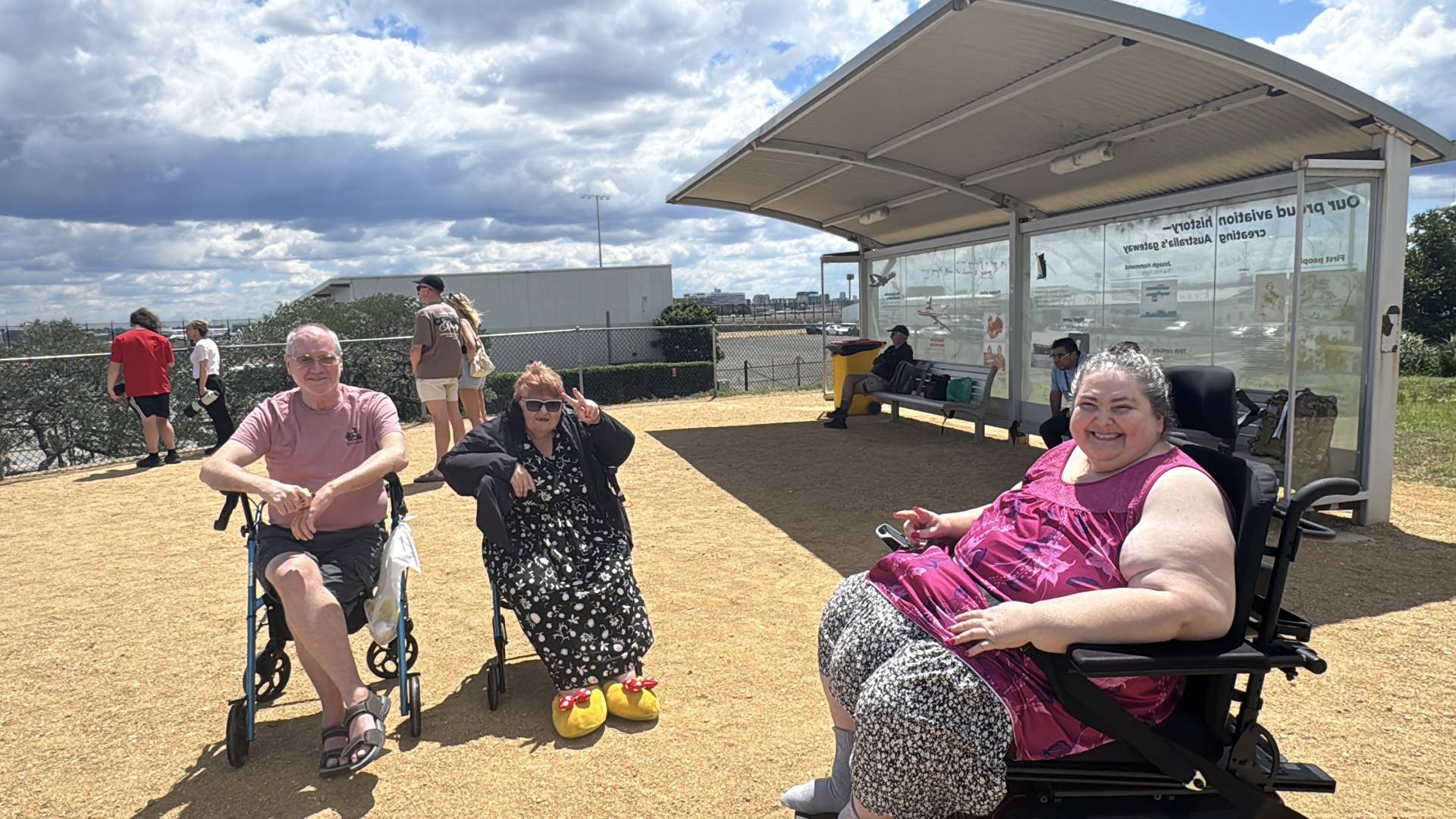
Community participation is more than just being out and about — it’s a key part of building confidence, developing life skills, and improving wellbeing for NDIS participants. From joining a local art class to volunteering at a community garden, engaging with others creates meaningful opportunities for connection, purpose, and independence.
At Thrive365, we’ve seen firsthand how the right community supports can transform lives. In this blog, we explore how community participation in the NDIS helps move people from isolation to inclusion — and why it matters more than ever.
🔑 Key Summary
-
Community participation helps NDIS participants build independence, confidence, and social skills.
-
Engaging with others supports mental health and reduces feelings of loneliness or isolation.
-
The NDIS provides funding and supports to access community activities.
-
Real-life participation can include volunteering, group programs, sport, arts, or local events.
-
Thrive365 offers tailored support to help individuals connect with their community in ways that feel meaningful to them.
1. Why Community Participation Matters in the NDIS
The NDIS isn’t just about funding supports — it’s about helping people live a life that’s meaningful to them. That includes the freedom to be part of a community, make social connections, and explore interests just like anyone else.
That’s where community participation comes in. For many people living with disability, it can be difficult to access local activities or connect with others. Through the NDIS, participants can receive support to engage in their community in a way that’s safe, supported, and tailored to their needs.
2. The Link Between Social Inclusion and Wellbeing
Social inclusion is directly linked to improved mental and emotional wellbeing. Regular connection with others can:
-
Reduce loneliness and isolation
-
Improve self-esteem and confidence
-
Encourage routine and structure
-
Build resilience and reduce anxiety
-
Support a greater sense of purpose and belonging
For NDIS participants, having consistent and supported access to community spaces can lead to positive changes in mood, motivation, and quality of life.
3. How Community Participation Builds Independence
Taking part in community activities helps develop real-world skills that support greater independence. These can include:
-
Navigating public transport
-
Managing time and money
-
Communicating with new people
-
Problem-solving in unfamiliar situations
-
Making personal choices about how and where to participate
With the right support, participants can build their confidence over time and start to take on more activities with less help — an important step towards long-term independence.
4. Examples of Community Engagement for NDIS Participants
There’s no one-size-fits-all approach when it comes to community access. What’s meaningful for one person may be very different for someone else. Some common ways participants engage with their communities include:
-
Joining a local club – sports, music, art or hobby-based groups
-
Volunteering – at op shops, animal shelters, libraries, or community events
-
Attending classes or workshops – like cooking, fitness, gardening or language courses
-
Participating in disability-friendly social groups
-
Exploring local parks, cafes, and events with support workers
The key is to find activities that reflect the participant’s own interests and goals.
5. How Thrive365 Supports Community Access
At Thrive365, we support participants to get involved in their community in ways that are enjoyable, empowering, and person-centred. We take time to understand each person’s:
-
Interests and passions
-
Comfort levels and support needs
-
Cultural background and communication style
-
Short- and long-term goals
From planning outings to providing one-on-one support, our team is focused on helping participants build skills and connections that support independence and wellbeing.
We also help participants track their progress, so achievements in community participation can be celebrated and included in future NDIS reviews.
6. From Small Steps to Big Impact: Building Confidence Over Time
Community participation doesn’t have to be big or overwhelming. Sometimes it starts with a short trip to the local café, or attending a small group activity with a support worker.
Over time, as confidence builds, participants may begin trying new activities, meeting new people, and taking more initiative in their daily life. These small, consistent steps can have a lasting impact on independence, social inclusion, and personal wellbeing.
❓ Frequently Asked Questions
What is community participation in the NDIS?
It refers to supported activities that help participants connect with their local community, develop social skills, and build independence.
Is community access funded by the NDIS?
Yes. NDIS participants can receive funding for support workers and transport to engage in community, social and recreational activities.
Can I choose the activities I want to do?
Absolutely. Community participation should always be guided by your own interests, goals, and preferences.
Do I need to join a group program to access community activities?
Not necessarily. Community access can be one-on-one with a support worker, or in group settings — depending on what works best for you.
How can Thrive365 help?
We provide personalised support to help you access the community in a way that feels safe, enjoyable, and aligned with your goals.
✅ Conclusion
Community participation is a powerful part of the NDIS journey. It builds life skills, supports mental health, reduces isolation, and helps people feel more connected to the world around them. Whether it’s through a hobby, a social outing, or a local event — engaging with others makes a real difference.
At Thrive365, we’re here to help make those connections happen — with support that’s tailored, respectful, and built around you.